Agathosma capensis
Spicy buchu · anysboegoe · steenbokboegoe
A small shrub with a memorable scent
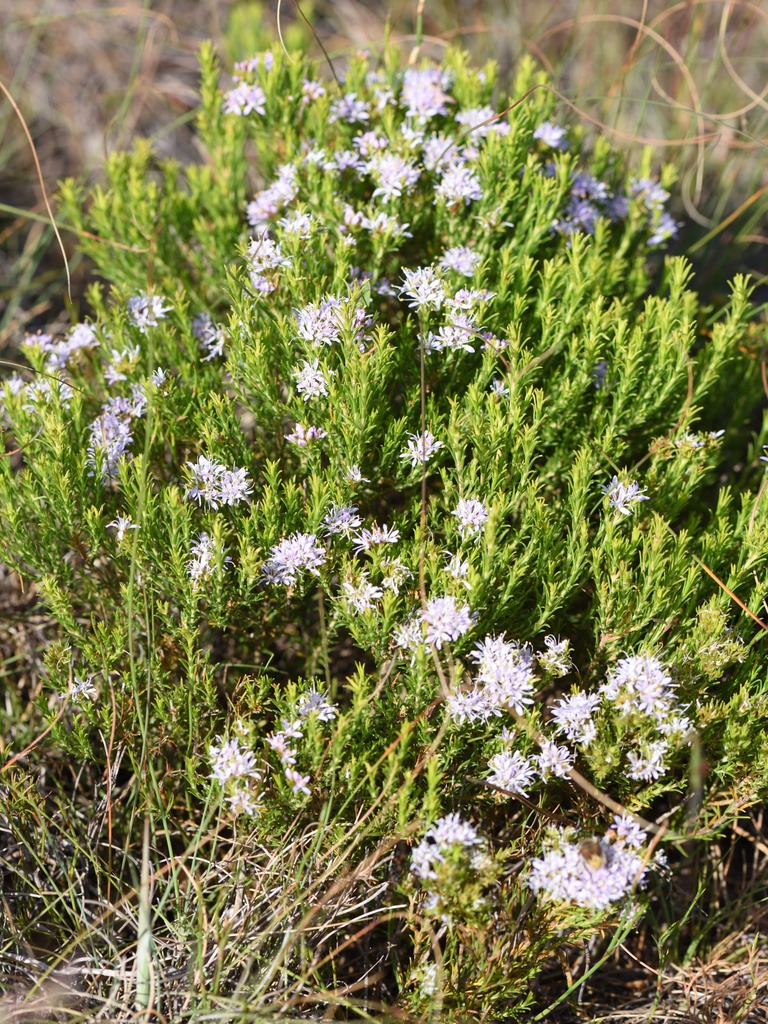
Agathosma capensis, or spicy buchu, is an aromatic evergreen shrub of South Africa’s Cape region. Usually a plant 30–90 cm tall, it may reach 1.5 m when growing among taller vegetation. Its tiny leaves can be smooth or softly hairy and contain translucent oil glands—scent reservoirs that release a sweet, spicy fragrance when the foliage is crushed.
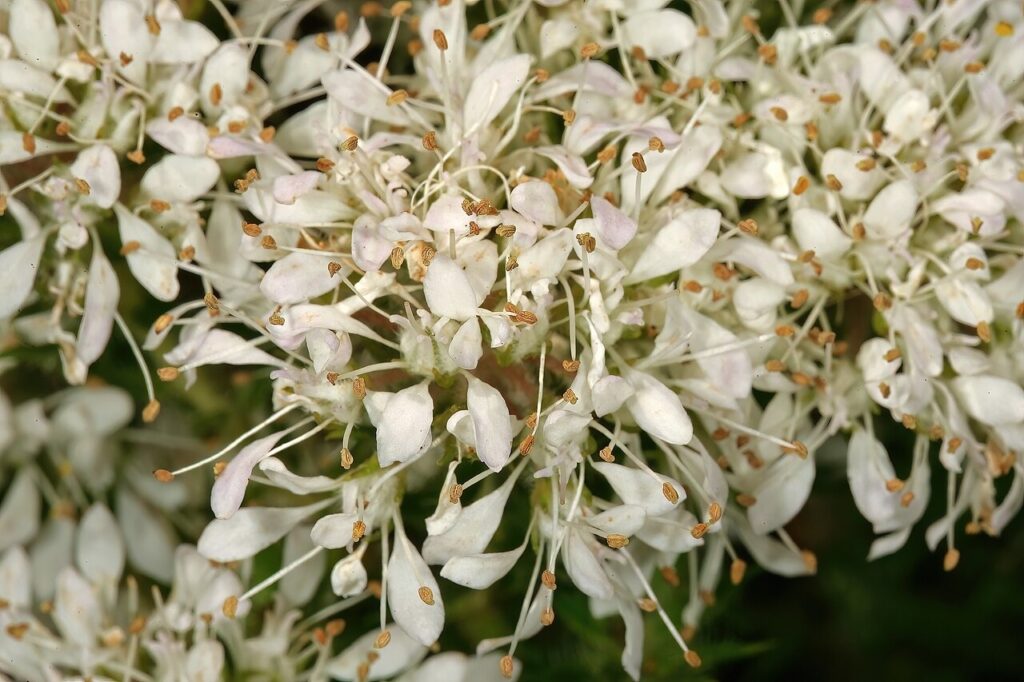
From winter into spring, with some flowers possible throughout the year, branch tips carry crowded clusters of five-petalled blooms. Their colour varies remarkably: white, pink, mauve or bluish purple. The plant grows on mountain slopes and flats, from near sea level to about 1,800 m, in soils derived from granite or shale and in coastal sands.
This buchu is built for life in fire-shaped fynbos. After a burn it can resprout from a persistent rootstock. Ants collect and store its seeds underground, protecting them from rodents and placing them where good rains may trigger germination—a fascinating partnership hidden beneath the soil.
Assessed as Least Concern, A. capensis deserves wider attention in gardens. In full sun and well-drained soil it makes an attractive, water-wise border or container plant. Plant it where visitors can gently brush the foliage and discover that its Greek-derived genus name, meaning “pleasant scent”, is fitting.
Its compact habit also makes it easy to observe at eye level: look for fine black seeds in small, two- or three-chambered capsules, and notice how flower colour can change between populations—or even between individual plants.
Translucent leaf glands hold aromatic oils, a citrus-family feature despite this shrub’s very different appearance from familiar garden citrus trees.
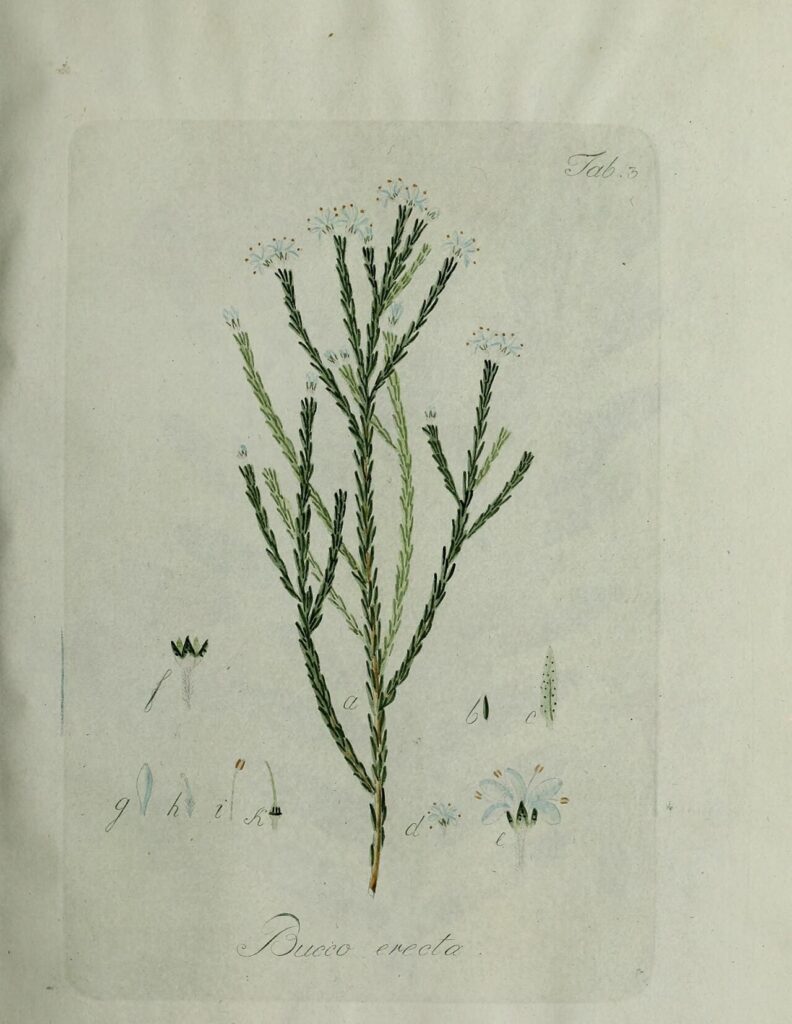
A name with history: Carl Linnaeus first described this species in 1759 as Hartogia capensis . The historical botanical plate below, published in 1819 under the name Bucco erecta , records an early cultivated form; Richard Arnold Dümmer placed the species in Agathosma in 1912.